
Relatório da Frota Circulante

Por Sindipeças

Frota Circulante 2019 – (pdf)

A presente edição do Relatório da Frota Circulante, elaborado pelo Sindipeças, traz informações consolidadas até 2019. A entidade ressalta que as projeções feitas para 2020 e 2021 foram
calculadas antes dos reflexos da pandemia de Covid-19 (que impacta as vendas desde a segunda quinzena de março deste ano). Apresentam-se ainda as taxas anuais de crescimento da frota de importados e as estimativas da idade média por categorias.

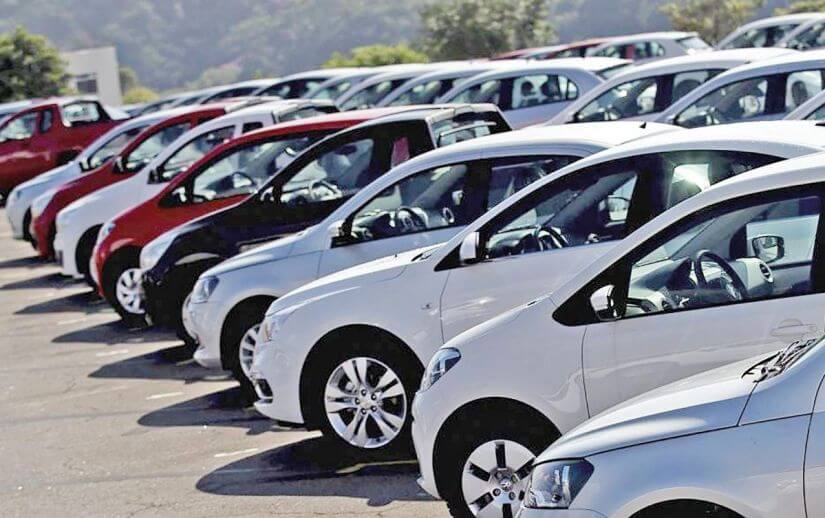
Em 2019, a frota brasileira de veículos cresceu 2,5% se comparada a 2018. O resultado supera em 0,6 p.p. aquele que fora observado na passagem de 2017 para 2018 (1,9%). Contabilizaram-se 45,9 milhões de unidades circulantes, entre automóveis, comerciais leves, caminhões e ônibus no ano passado. Registraram-se também 13,1 milhões de motocicletas em vias públicas no ano em tela, representando incremento de 0,6% na quantidade de unidades em circulação.

Em 2019, a frota brasileira de veículos cresceu 2,5% se comparada a 2018. O resultado supera em 0,6 p.p. aquele que fora observado na passagem de 2017 para 2018 (1,9%). Contabilizaram-se 45,9 milhões de unidades circulantes, entre automóveis, comerciais leves, caminhões e ônibus no ano passado. Registraram-se também 13,1 milhões de motocicletas em vias públicas no ano em tela, representando incremento de 0,6% na quantidade de unidades em circulação.

As projeções de veículos em circulação sinalizavam crescimento de 2,6% em 2020 e de 3% em 2021. Se fossem confirmadas, a frota brasileira alcançaria, em termos absolutos, 47,1 milhões e 48,5 milhões para os anos em tela, respectivamente. As taxas de crescimento para motos, embora menores, continuam indicando evolução positiva num segmento que demonstra ter considerável espaço para crescer.
The ZEW Indicator of Economic Sentiment Stands at 63.4 Points

Source:https://www.zew.de

In June 2020, the ZEW Indicator of Economic Sentiment for Germany increased for the third consecutive time. The indicator currently stands at 63.4 points, which corresponds to a rise of 12.4 points compared with the May result. The assessment of the economic situation in Germany has improved for the first time since January 2020. In the current survey, the corresponding indicator stands at minus 83.1 points, 10.4 points higher than in the previous month.

In June 2020 the ZEW Indicator of Economic Sentiment rises again to 63.4 points.

“There is growing confidence that the economy will bottom out by summer 2020. This is reflected in the renewed rise of the ZEW Indicator of Economic Sentiment as well as the more optimistic assessment of the current situation. The expected earnings for the individual sectors in Germany still vary greatly. Earnings expectations are strongly negative for export-oriented sectors such as automotive and mechanical engineering, as well as the financial sector. In contrast, forecasts are fairly positive for information technologies, telecommunications and consumer-oriented services. The financial market experts continue to expect only a slow increase in economic value added in the third and fourth quarters,” comments ZEW President Professor Achim Wambach.

Financial market experts’ sentiment concerning the economic development of the eurozone also improved once again, with the corresponding indicator climbing 12.6 points to a current level of 58.6 points compared to the previous month. The indicator for the current economic situation in the eurozone climbed 5.4 points to a level of minus 89.6 points.

More information and studies on the ZEW Indicator of Economic Sentiment and the release dates 2020 (as PDF file, 28 KB) and the historical time series (as Excel file, 81 KB)

plugins premium WordPress